
Slip and Fall Accident Lawyers in the Philadelphia & Conshohocken Area
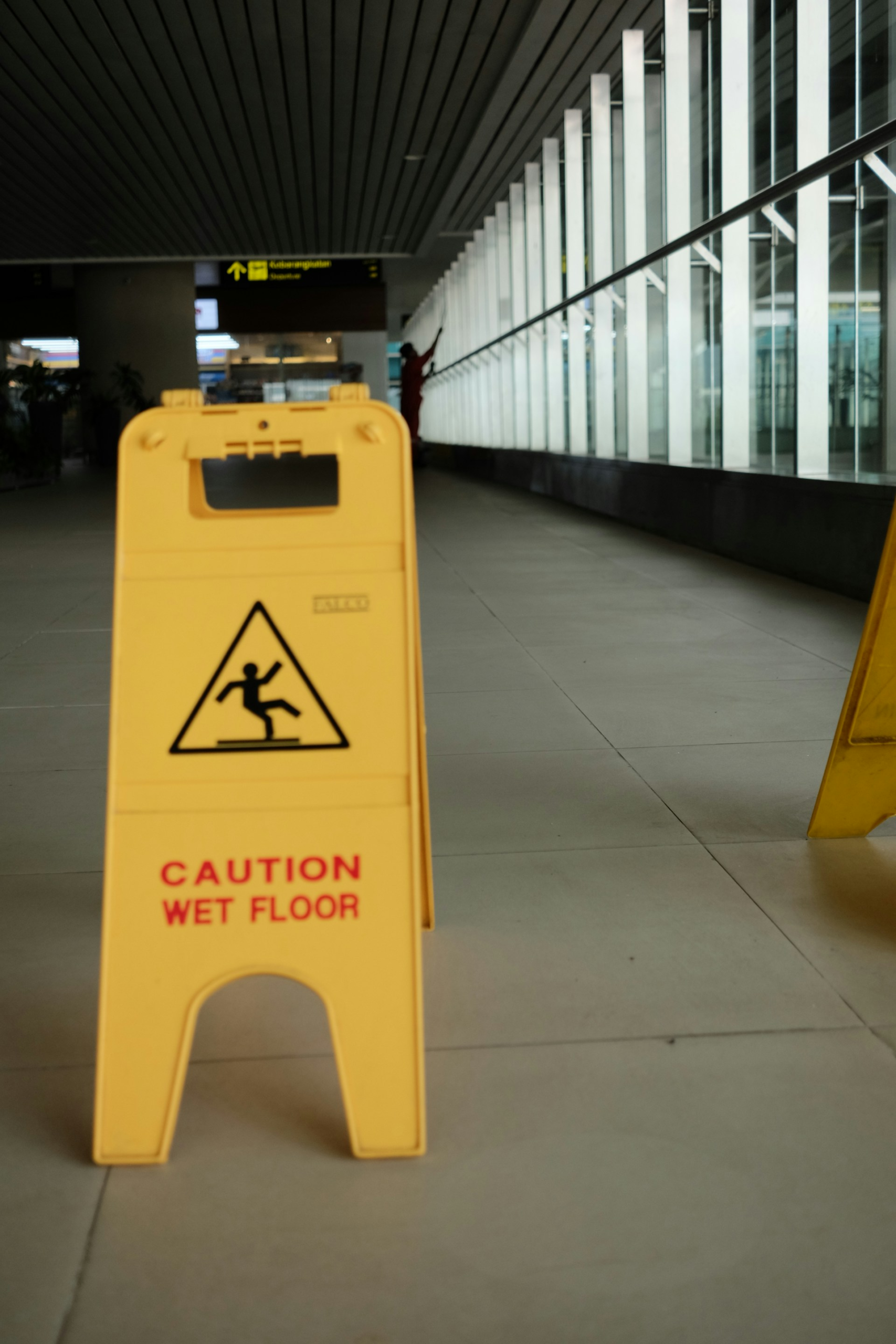 Slip and fall accidents cause serious injuries that can change lives in an instant. Groen Strokoff O’Neill Trial Lawyers have experience in handling a variety of slip and fall cases. GSO Lawyers represents injured victims and families in premises liability lawsuits throughout the Philadelphia area, and Conshohocken, King of Prussia, Malvern, and Blue Bell in Montgomery County, helping them pursue justice, accountability, and financial security after preventable accidents caused by negligent property owners.
As experienced Philadelphia slip and fall attorneys, our firm handles complex claims involving wet floors, icy walkways, uneven surfaces, poor lighting, cluttered aisles, defective stairs, and other dangerous property conditions. Every case is approached with compassion, precision, and trial-ready preparation.
Proving Your Slip and Fall Case: The Evidence That Win
Slip and fall cases require strong evidence to overcome defense tactics and insurance company resistance.
Surveillance Footage is the Game Changer
Security camera footage is the most powerful evidence in slip and fall cases. Video shows exactly what happened, how long hazards existed before your fall, your conduct immediately before falling, and the property owner’s response afterward. Footage proves you weren’t distracted, the hazard wasn’t obvious, and the property knew or should have known about the danger. However, footage is routinely erased after 30-90 days. Your slip and fall attorney must act immediately with preservation demands to save this critical evidence before it disappears forever.
Incident Reports and Complaints
Incident reports documenting your fall create official records that the accident occurred and when. Previous incident reports showing similar falls in the same location prove the property owner knew about recurring hazards. Customer complaints about dangerous conditions establish actual notice. Maintenance requests showing broken lights or defective stairs demonstrate knowledge of hazards. Your attorney obtains these records through legal discovery which may be documents that property owners would never voluntarily provide.
Inspection and Maintenance Logs
Properties that follow regular inspection schedules document their findings. Logs showing that areas weren’t inspected as required prove
negligence. Logs with gaps or inconsistencies raise questions about authenticity. Maintenance records showing repeated issues with the same area demonstrate knowledge of ongoing hazards. Work orders that weren’t completed prove property owners identified problems but failed to fix them.
Weather Reports and Conditions
In slip and fall cases involving ice and snow, weather reports establish when precipitation occurred and how long property owners had to clear walkways. Pennsylvania law provides reasonable time for snow and ice removal but doesn’t excuse indefinite delays. Temperature records showing freeze-thaw cycles creating black ice support your case. Your attorney uses official weather data to establish timelines and prove unreasonable delays.
Winter Ice and Snow Slip and Fall Liability in Pennsylvania
Pennsylvania winters create dangerous conditions on sidewalks, parking lots, and building entrances. Understanding ice and snow liability helps you know your rights.
The “Hills and Ridges” Doctrine
Pennsylvania historically followed the “hills and ridges” doctrine, which required plaintiffs to prove ice and snow accumulations formed hills and ridges to establish liability. This harsh rule made recovery difficult for slip and fall victims. However, Pennsylvania courts have clarified that hills and ridges are not required when property owners knew about dangerous ice conditions, had reasonable time to remedy them, and failed to act. Your slip and fall lawyers will build cases showing property owner knowledge and unreasonable failure to address known ice hazards.
Reasonable Time to Remove Snow and Ice
 Pennsylvania property owners must remove snow and ice within a reasonable time after storms end. What’s reasonable depends on the severity of the storm, property type, and typical traffic. Businesses with high customer traffic must act faster than residential properties. Property owners cannot hide behind continuing storms; they must address accumulations during breaks in precipitation. Weeks without removal is unreasonable.
Black Ice and Hidden Hazards
Black ice, clear ice on dark pavement, is particularly dangerous because it’s nearly invisible. Property owners who know black ice forms in specific areas during certain weather conditions must salt those areas preventatively or warn visitors. Claiming you should have seen black ice that’s designed to be invisible fails.
Pennsylvania Slip and Fall Lawsuits May Seek Compensation For:
- Medical expenses including emergency care, surgery, and hospitalization
- Future medical care and rehabilitation costs
- Lost wages and diminished earning capacity
- Pain and suffering from injuries
- Emotional distress and mental anguish
- Loss of quality of life and permanent disability
- Disfigurement and scarring from fractures or head injuries
- Loss of consortium for spouses
- Wrongful death damages if the fall resulted in death
- Punitive damages when property owner negligence is egregious
Every slip and fall case is unique. GSO trial lawyers are slip and fall accident lawyers who work with safety experts, medical professionals, and investigators to pursue full and fair compensation, not rushed settlements.
Types of Philadelphia Slip and Fall Accident Cases We Handle
Wet Floor Slip and Falls
Slip and fall lawsuits involving wet floors in grocery stores, restaurants, shopping malls, and office buildings from spills, cleaning, leaks, or tracked-in rain and snow without adequate warnings or prompt cleanup.
Ice and Snow Slip and Fall Accidents
Cases involving falls on icy sidewalks, parking lots, building entrances, and walkways where property owners failed to remove snow and ice or apply salt and sand within reasonable time periods.
Uneven Surfaces and Trip Hazards
Slip and fall claims arising from cracked pavement, broken sidewalks, potholes in parking lots, uneven flooring, torn carpeting, and unmarked changes in floor elevation causing people to trip and fall.
Stairway Accidents
Lawsuits involving defective stairs, missing or broken handrails, inadequate lighting in stairwells, worn or slippery stair treads, unmarked steps, and building code violations causing serious falls.
Poor Lighting Conditions
Cases involving inadequate lighting in parking garages, stairwells, walkways, and building entrances that prevent visitors from seeing hazards and safely navigating the property.
Grocery Store and Retail Accidents
Slip and fall accident claims in supermarkets and stores involving spilled liquids, fallen merchandise in aisles, produce on floors, freshly mopped areas without warning signs, and slippery floor wax.
Restaurant and Bar Falls and Slips
Lawsuits involving slippery kitchen grease tracked onto customer areas, wet bathroom floors, spilled drinks, food debris, and unsafe walking surfaces in dining establishments.
Apartment and Condominium Accidents
Cases involving falls in common areas of residential buildings including lobbies, stairwells, laundry rooms, parking areas, pool decks, and walkways where landlords failed to maintain safe conditions.
Pennsylvania Slip and Fall Accident FAQs
While surveillance footage is powerful evidence, its absence doesn’t mean you cannot win. Other evidence proves your case including incident reports documenting your fall, witness testimony from people who saw you fall or observed the hazard, photographs you took of the hazard after your fall, medical records documenting injuries consistent with your account, inspection logs showing inadequate property inspections, prior incident reports of similar falls in the same location, and expert testimony analyzing the hazard and explaining why it caused your fall. Property owners’ failure to have functioning security cameras in areas where customers walk may itself demonstrate negligence in maintaining safe conditions.
Simple cases with clear liability, preserved video evidence, and well-documented injuries might resolve in 6-12 months. Complex cases with disputed liability, multiple defendants, or serious injuries requiring ongoing treatment typically take 18-36 months from filing through settlement or trial. You should generally wait until reaching maximum medical improvement before settling to ensure all future medical needs are accounted for. Many slip and fall cases settle after surveillance footage is reviewed during discovery, as video evidence often proves property owner liability and victim lack of fault. However, cases involving elderly victims with hip fractures or head injuries may require extended treatment periods before full damages are known.
Case value depends on injury severity, medical expenses (past and future), lost wages and earning capacity, permanence of disabilities, pain and suffering levels, and how injuries impact your daily life. Minor injuries like sprains might settle for $10,000-$30,000, while moderate injuries with fractures typically range $30,000-$150,000. Serious injuries requiring surgery, causing permanent disability, or resulting in traumatic brain injuries can result in settlements from $150,000 to over $1 million. Elderly victims often suffer more severe injuries from falls—hip fractures, head trauma, and complications leading to death—resulting in higher settlements. Your slip and fall law firm will calculate damages based on medical evidence, expert testimony about future needs, and comparable verdicts in similar cases.
Claims against government entities have special requirements and shorter deadlines. You typically must provide written notice of your claim within six months of the fall, identifying the location, circumstances, and injuries. Failure to provide timely notice can permanently bar your claim. Additionally, determining which government entity is responsible (city, county, state) affects where you file notice. Immunity laws may limit government liability in certain circumstances, though exceptions exist. Sidewalk liability depends on whether the municipality or adjacent property owner is responsible for maintenance under local ordinances. Contact a Philadelphia accident lawyer immediately after falls on government property to ensure compliance with notice requirements.
Possibly. Warning signs don’t automatically absolve property owners of liability. The question is whether the warning was adequate under the circumstances. Small yellow cones hidden among merchandise, signs placed far from the actual hazard, or generic warnings that don’t specify the danger may be inadequate. Additionally, property owners cannot simply post warning signs and ignore hazards indefinitely; they must clean up spills and repair dangerous conditions within reasonable time periods. If a “Wet Floor” sign sat in a grocery store aisle for hours without anyone cleaning the spill, the property owner failed in their duty to maintain safe conditions despite the warning.
Pennsylvania follows modified comparative negligence—you can recover damages as long as you’re less than 51% at fault. However, your compensation is reduced by your percentage of fault. For example, if you’re awarded $100,000 but found 20% at fault, you’d receive $80,000. Insurance companies aggressively argue that victims were distracted, not watching where they walked, or wearing inappropriate footwear. Your slip and fall attorney will counter these arguments by showing the hazard was not obvious, reasonable people in your situation would have fallen, and the property owner’s negligence was the primary cause. Proving the property owner had actual notice of the hazard (knew about it) or that the hazard existed for extensive time periods significantly reduces arguments about victim fault.
You must demonstrate either actual notice or constructive notice. Actual notice means the property owner or employees knew about the hazard, which could be proven through employee statements, prior complaints, previous incident reports of similar falls in the same location, or maintenance requests about the hazard. Constructive notice means the hazard existed long enough that reasonable inspections would have discovered it. Evidence includes surveillance footage showing how long spills or debris remained before your fall, witness testimony that the hazard existed for extended periods, and property inspection logs showing inadequate inspection frequency. The longer a hazard existed, the stronger the argument that the property owner should have discovered it through reasonable care.
Seek medical attention immediately, even if injuries seem minor. Head injuries, fractures, and internal injuries don’t always show symptoms right away. Report the fall to the property owner, manager, or staff and insist they create an incident report. Ask for a copy. Photograph the hazard that caused your fall, the surrounding area, lighting conditions, any warning signs (or absence of signs), your injuries, and your damaged clothing or shoes. Get contact information from anyone who witnessed your fall such as names, phone numbers, and addresses. Note the exact location, time of day, and weather conditions. Do not give recorded statements to insurance adjusters without consulting a slip and fall lawyer first. Contact an attorney within 24 hours to preserve surveillance footage and other critical evidence before it disappears.
A Word From Our Clients